Plaster Application: Obtain an Impeccable Finish for Your Interior Spaces
Plastering solutions play an important role in improving the visual attractiveness of interiors. By transforming rough walls into smooth surfaces, these solutions not only improve appearance but also resolve structural concerns. Various techniques are available, each suited to different needs and tastes. Understanding these options can be essential for homeowners. What factors should one take into account when choosing the right plastering technique? The answer may surprise you.
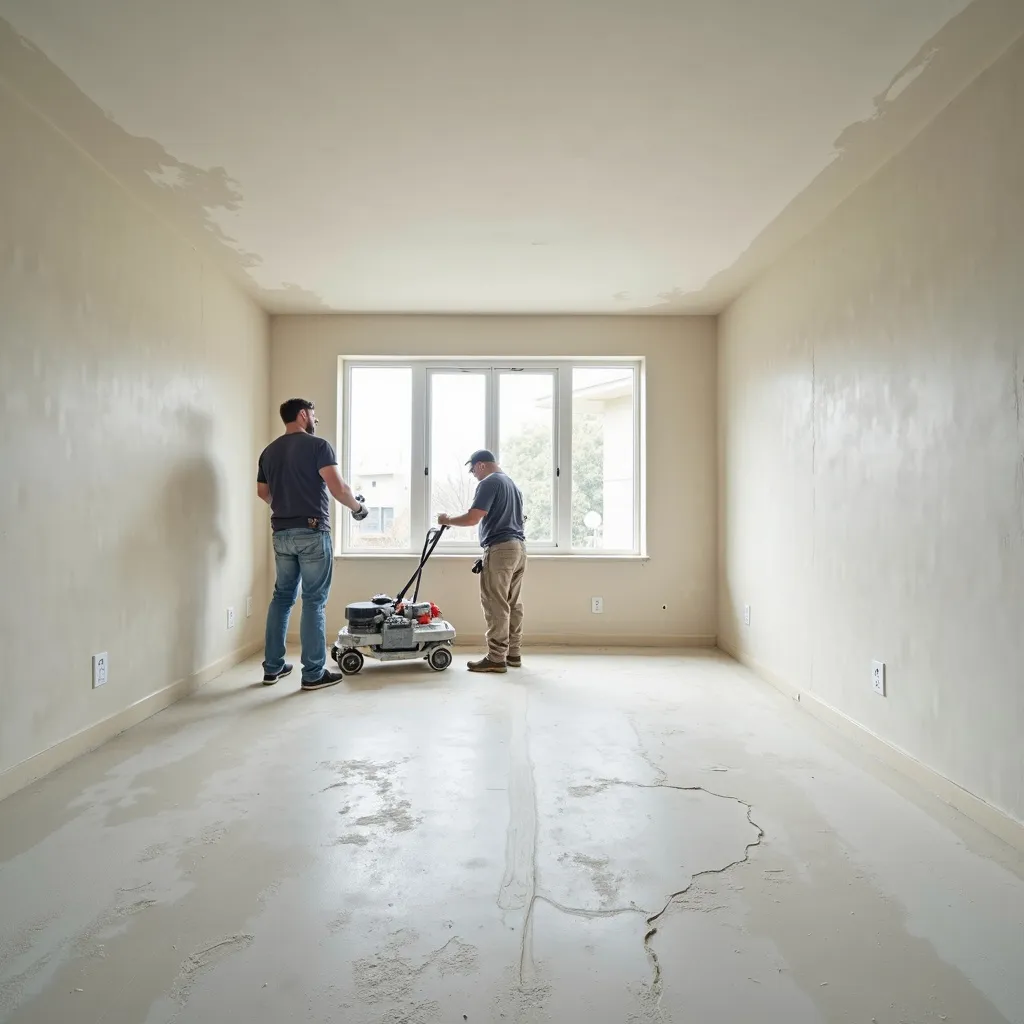
The Primary Benefits of Professional Plastering
Expert plastering services provides many advantages that improve the quality of interior spaces. This specialized service boosts the visual appeal of walls and ceilings, offering a even and consistent finish that is visually appealing. Furthermore, professional plaster work contributes to improved longevity, defending walls from wear and tear over time. The application of high-quality plaster can also promote superior insulation, controlling heat levels and possibly lowering utility bills.
Moreover, professional plasterers have the knowledge and abilities necessary to identify and address foundational problems, such as moisture or structural problems, before they worsen. This proactive approach not only ensures a perfect result but also prolongs the durability of the work. Furthermore, the use of cutting-edge products and methods assures a high-quality outcome, creating more welcoming and pleasant environments. Ultimately, choosing professional plastering solutions lays the foundation for gorgeously completed interior spaces that endure through the years.
Widely-Used Plastering Techniques and Their Applications
Various plastering techniques serve different aesthetic and functional needs in interior spaces. One common method is conventional plaster application, which involves applying a base coat followed by a finish coat, creating a even finish ideal for painting. Another technique is skimming, where a thin layer of plaster is spread over existing walls to refresh their appearance without extensive restoration.
Textured plastering adds visual interest and can conceal imperfections; methods such as knockdown or stucco coating create unique surfaces suited for various interior styles. Venetian plaster, a high-end choice, delivers a elegant, refined appearance through multiple layers and special application techniques, often enhancing the atmosphere of upscale interiors.
Ultimately, wall plastering is commonly applied for new constructions, offering an streamlined way to finish walls and ceilings. Each approach serves varied purposes, enabling homeowners and designers to attain desired visual appeal while maintaining durability.
How to Identify the Optimal Plaster Approach for Your Space
Determining the optimal plastering technique necessitates a thorough evaluation of the condition of the walls and the specific functionality of the space. Understanding these elements helps determining the most appropriate products to use. By taking into account both the environment and practical needs, you can achieve an informed choice that enhances the space.
Inspect Your Wall Appearance
How can one find the most appropriate plastering technique for their area? Evaluating the wall condition is essential in this selection process. The first step involves inspecting for fissures, dampness, or uneven surfaces, which can influence the choice of plastering method. For instance, walls with major defects may require repair before plastering, while even walls might be suited to a basic skim coat. Additionally, determining the type of wall material—such as drywall or masonry—plays a critical role in selecting the right plaster. A comprehensive evaluation ensures that the chosen technique not only enhances appearance but also provides lasting durability. Ultimately, knowing the wall's condition enables for informed decisions that result in a flawless finish.
Think About Space Purpose
When assessing the optimal plastering technique for a space, comprehending the room's purpose is essential. Varying areas of a home fulfill distinct purposes, which can affect the plaster method. For example, high-traffic rooms like hallways may benefit from more durable finishes that resist wear, while bedrooms might emphasize aesthetics and smooth textures for added comfort.
Additionally, moisture-prone areas such as bathrooms demand specialized techniques to prevent mold and damage. In contrast, living rooms could highlight decorative plaster finishes to improve visual appeal. By aligning the plastering technique with the specific use of each room, one can achieve not only a flawless finish but also ensure durability and performance tailored to the environment's needs.
Pick Right Resources
What materials are most ideal for plastering in a designated space? The choice of plastering materials greatly determines the appearance and durability of the surface. Traditional lime plaster is excellent for older buildings, offering adaptability and breathability, which helps avoid moisture buildup. Gypsum plaster, known for its rapid drying, is appropriate for modern interiors and provides a smooth finish. For humid areas, such as bathrooms, waterproof plaster is suggested to prevent mold growth. Additionally, considering the underlying surface is crucial; plaster should bond properly to materials like brick or concrete. Ultimately, selecting the appropriate plastering material improves both aesthetics and functionality, guaranteeing the interior spaces remain beautiful and durable over time.
Essential Markers That You Need Qualified Plastering
When evaluating the need for expert plaster work, multiple important signs can indicate hidden issues. Fractures and openings, irregular surface areas, and signs of moisture deterioration are critical factors to consider. Tackling these issues quickly can prevent further decline and ensure a smooth, visually pleasing interior.
Cracks And Openings Evident
Cracks and holes may considerably compromise both the beauty and constructional integrity of interior areas. These imperfections not only damage overall aesthetics but also indicate more serious issues inside the walls. Small cracks might appear minor, yet they have the potential to enlarge with time, resulting in additional damage. Holes caused by nails or other objects cause weak points that impact insulation and energy efficiency. Homeowners must not neglect these warning signs; quickly repairing them with expert plastering services promises a flawless finish and avoids costly repairs down the line. Neglecting cracks and holes may result in higher maintenance expenses and an unappealing environment, making timely repair vital for keeping the appeal and strength of interior spaces.
Uneven Wall Surfaces
Uneven wall surfaces can greatly lessen the aesthetic appeal of a home, indicating the requirement for specialized plastering. Homeowners often notice discrepancies in wall surface, with some spots appearing uneven or raised. These imperfections may be due to poor installation, settling of the building, or wear over time. An uneven surface not only alters the overall look but can also obstruct the process of paint or wallpaper, leading to an unsatisfactory finish. Also, light can throw shadows on uneven walls, more highlighting flaws. check this Engaging professional plastering services ensures that these surfaces are smoothed out, providing a consistent base for further decoration. A smooth wall contributes to a home’s ambiance and value, making timely intervention essential.
Water Damage Warnings
Water damage shows up in many forms, often demonstrating the urgent need for expert plastering services. Homeowners should remain vigilant for specific signs. Marks or discoloration on walls and ceilings are primary signs, often visible as yellow or brown patches. Peeling or bubbling paint also suggests moisture issues underneath, as does the presence of mold or mildew, which can impact indoor air quality. Furthermore, if walls feel damp or emit a stale odor, it may indicate concealed water damage. Cracks or flaking plaster can further disclose structural problems linked to moisture infiltration. Addressing these signs quickly with expert plastering services is important for keeping a safe and visually pleasing living space.
How Much Will Stucco Application Cost You?
What amount should one expect to invest in plastering services for indoor areas? The price of plastering fluctuates significantly dependent on multiple elements, including the dimensions of the area, the kind of material used, and the difficulty of the job. On typically, property owners can anticipate paying between $1.50 to $3.50 per square foot for basic plastering. For highly specialized finishes, like Venetian plaster, expenses may increase to $6 or more per square foot.
Extra costs may originate from preparatory work, such as restoring existing walls or ceilings. Labor costs also represent a key component, with skilled plasterers asking hourly rates that can stretch from $25 to $75. Ultimately, acquiring multiple quotes from licensed professionals can present a clearer picture of the expected investment, ensuring homeowners make well-informed choices while accounting for their plastering projects.
Important Care Tips for Your Newly Plastered Interiors
Once you've secured plastering services for interiors, upkeep of the newly finished surfaces is essential for longevity and visual appeal. Regular dusting with a soft, dry cloth helps prevent dirt accumulation. It's advisable to avoid abrasive cleaners that can damage the surface. Instead, mild soap mixed with water can be used for occasional cleaning.
Humidity management is crucial; high humidity levels can lead to mold growth or structural damage. Utilizing a dehumidifier in damp areas can reduce this risk. To prevent scratches and dents, try placing furniture pads under heavy items.
Monitor the plaster periodically for cracks or chips, tackling any issues immediately to prevent escalating damage. To conclude, implementing a suitable sealant can enhance resilience and ease of cleaning, ensuring the plaster maintains its aesthetic appeal in the long term. Following these maintenance tips will help sustain the charm and structural integrity of newly plastered interiors.
Popular Questions Asked Often
How Much Time Should You Anticipate for Plastering Work?
Plastering generally demands one to three days to finish, contingent upon the size of the area and the difficulty of the project. Drying time can lengthen the overall process, necessitating more time for superior results.
Can I coat Plaster Over existing Wallpaper or Paint?
Covering existing wallpaper or paint with plaster is often not advised. The surfaces may prevent proper adhesion, contributing to cracks or peeling. For greatest success, clearing wall coverings before plastering is prudent.
What Choices in Plastering Materials Are In Stock?
Multiple types of plaster options exist, including gypsum plaster, lime plaster, cement plaster, and acrylic plaster. Each form gives distinctive properties, well-suited for different applications, climates, and desired finishes, addressing different building and design requirements.
Is Plaster coating Fitting for Outdoor Purposes?
Plastering works well for outdoor applications, particularly when employing specialized outdoor plaster products that resist moisture and temperature fluctuations. These products improve longevity while offering an durable and visually appealing surface for various outdoor surfaces.
What Steps Should I Follow to Prepare My Room for Plaster Application?
To get a room ready for plastering, one should remove furniture, lay down floors with drop cloths, clean walls, repair any damage, and guarantee proper ventilation. Adequate preparation promises a smoother application and improved final results.